Supercell collected 2.65 billion euros last year, a slight decrease of 4 per cent, and the Royal War was a record high.
The Finnish mobile game developer Supercell recently issued a financial report for 2025, which shows a 4 per cent decrease in income to Euro2.65 billion. Pre-tax profits for companies were Euro932 million, an increase of 6 per cent over the same period last year.
Supercell has contributed Euro220 million in corporate income tax to the Finnish economy in 2025, and its global workforce has increased by 30 per cent over the same period, with 890 employees at the end of the year. Its current mix of games has increased over the same period, with an estimated total of 290 million active players per month. The Royal War was described as a “prior success story” and reached a “historical high” in terms of participation, including active daily players. In a blog post detailing financial performance, the CEO of the company, Ilka Pananen, stated that the game had grown by nearly 500 per cent for new players throughout the year.
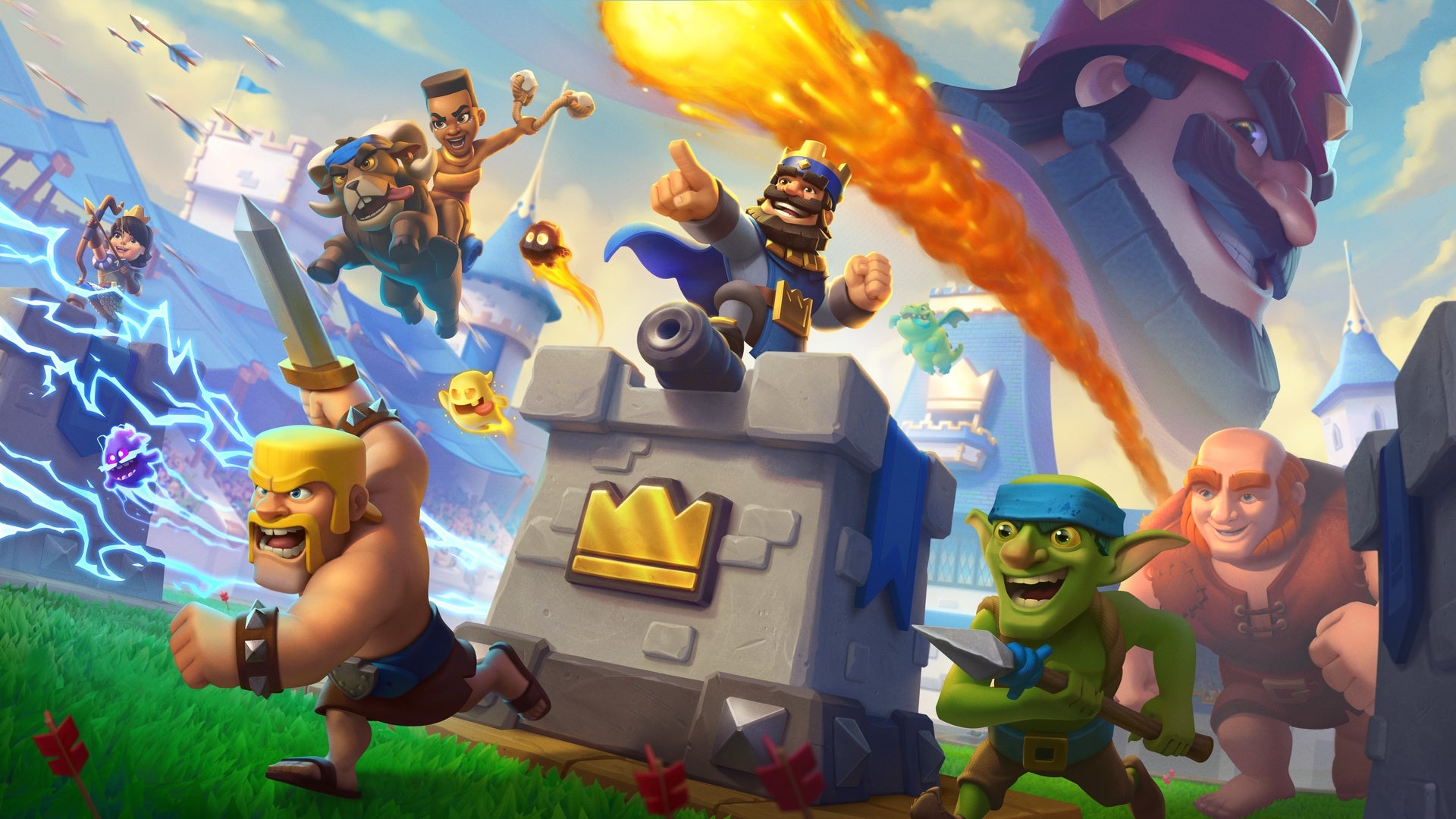
Supercell doubled its investment in the development of the new game in 2025, and Ilka Pananin said that the company expected “to roughly double its investment again.” “But as many companies scaled down, we did the opposite”, he said, “the strong performance of our existing games, especially the Royal War, has enabled us to make these long-term investments in the new year. We are fortunate to be in this position and intend to make good use of it.” Ilka Pananen also referred to the decision to close the Spuad Busters less than 18 months after its introduction. “The pressure within Supercell to take bold risks is building up. But don’t get me wrong, it’s not the top-down pressure on me or on the leadership team, but just the human pressure of the reality that we haven’t been able to launch a new game for six years. As Eino Yoas, the game manager, said, “The success rate of our five previous launches is 100%. We all feel that our risk tolerance has become too conservative and too bold. So we released.”
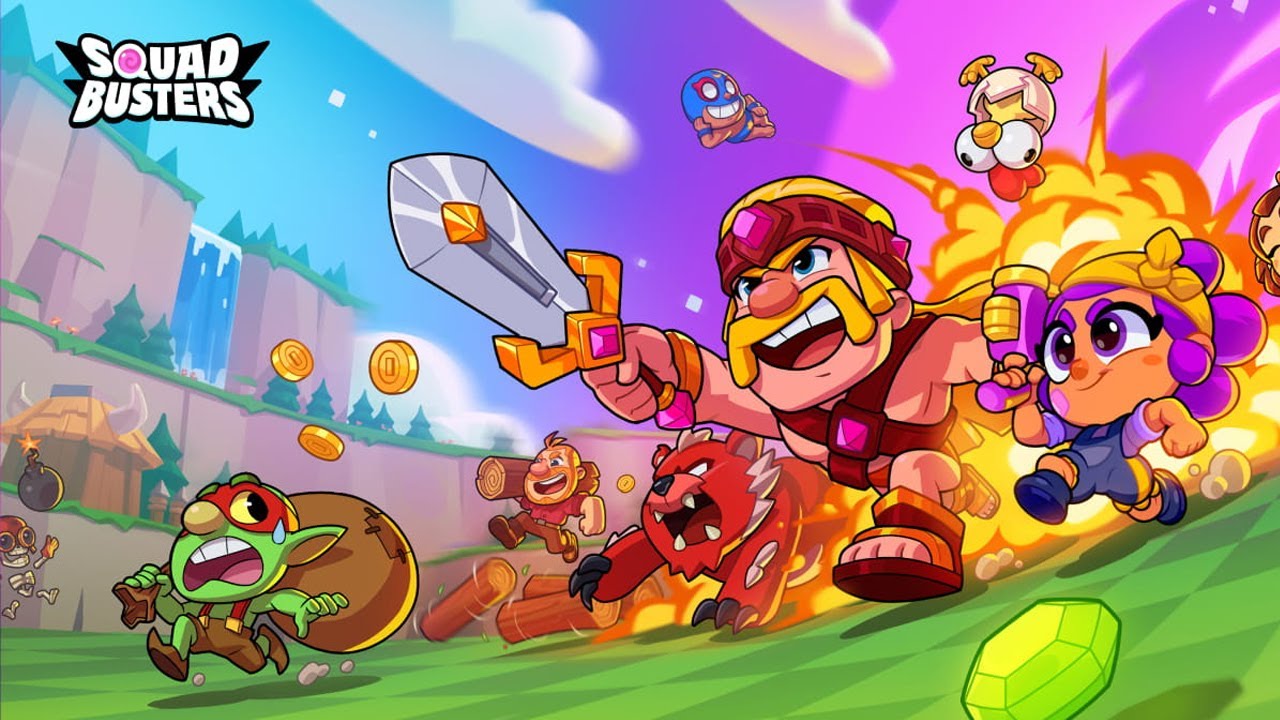
Ilka Pananen concluded: “In the final analysis, the team believed that they should have conducted a third and longer-term test. This could expose earlier the mismatch between the game and the player’s expectations. It sounds simple, but that was not the case.”