TikTok announces that end-to-end encryption is not included: this is considered to reduce user security
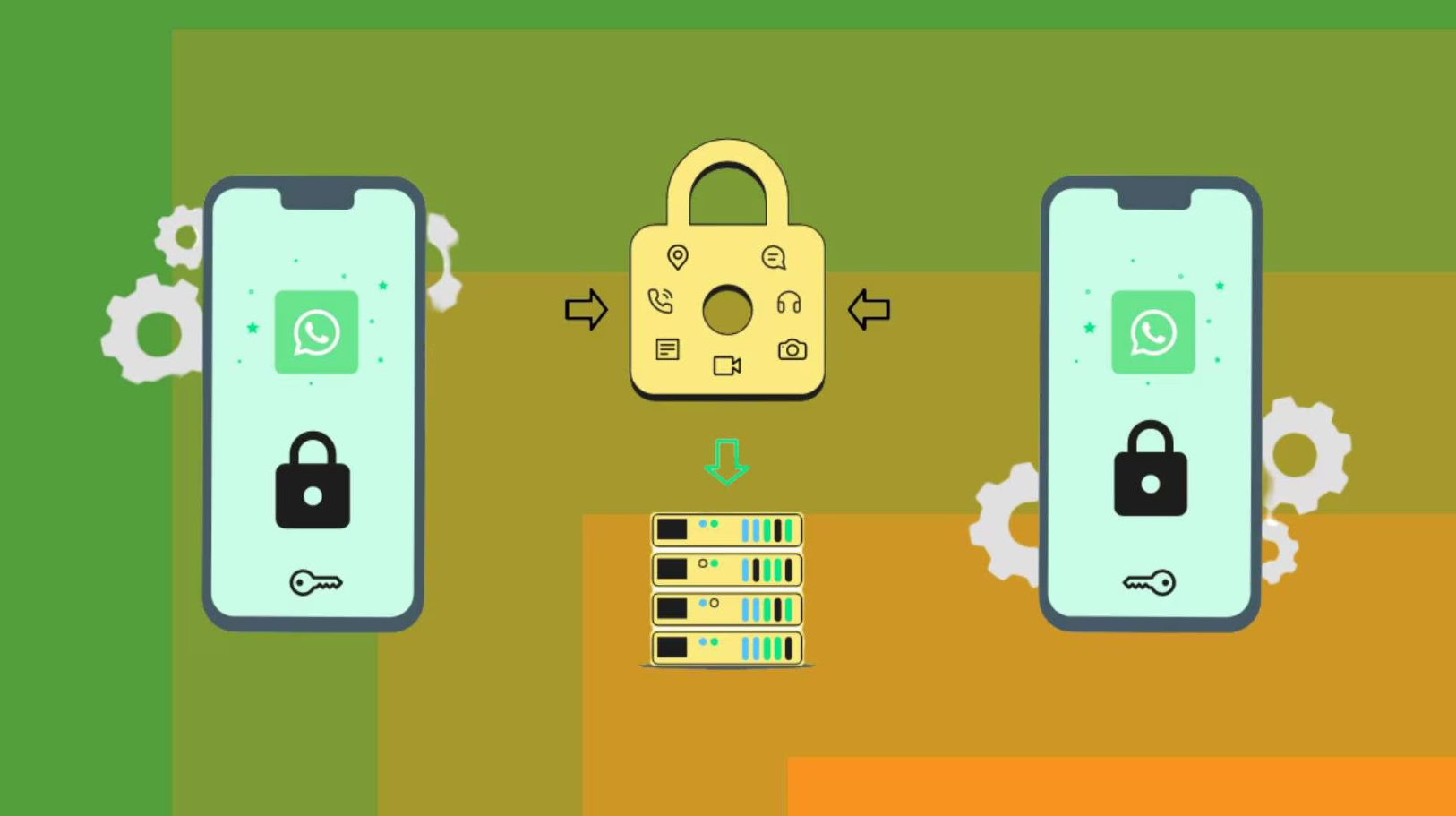
According to BBC, TikTok decided not to use the controversial privacy function – End-to-end encryption (E2EE) – and stated that it would instead increase user risk. End-to-end encryption means that only senders and recipients of private mail have access to their content and is the safest form of communication for the public. The technology has been adopted by Facebook, Instagram, Messenger and X, which state that maximum protection of users is their first priority.

Critics believe, however, that end-to-end encryption makes it more difficult to prevent the online dissemination of harmful content, as technology companies and law enforcement agencies are unable to view any material sent in private letters. TikTok has long faced allegations of endangering user data, but at the request of the Trump Government earlier this year, byte beat completed the splitting of TikTok in the United States. TikTok, a global user of over 1 billion, has received close attention to data protection. TikTok indicated to BBC that they believed that end-to-end encryption would prevent the police and the security team from reading private letters when needed. This position was confirmed in the security brief of the TikTok London office, which stated that it wished to protect users (especially young people) from harm, and described it as a deliberate choice to draw a line from competitors.
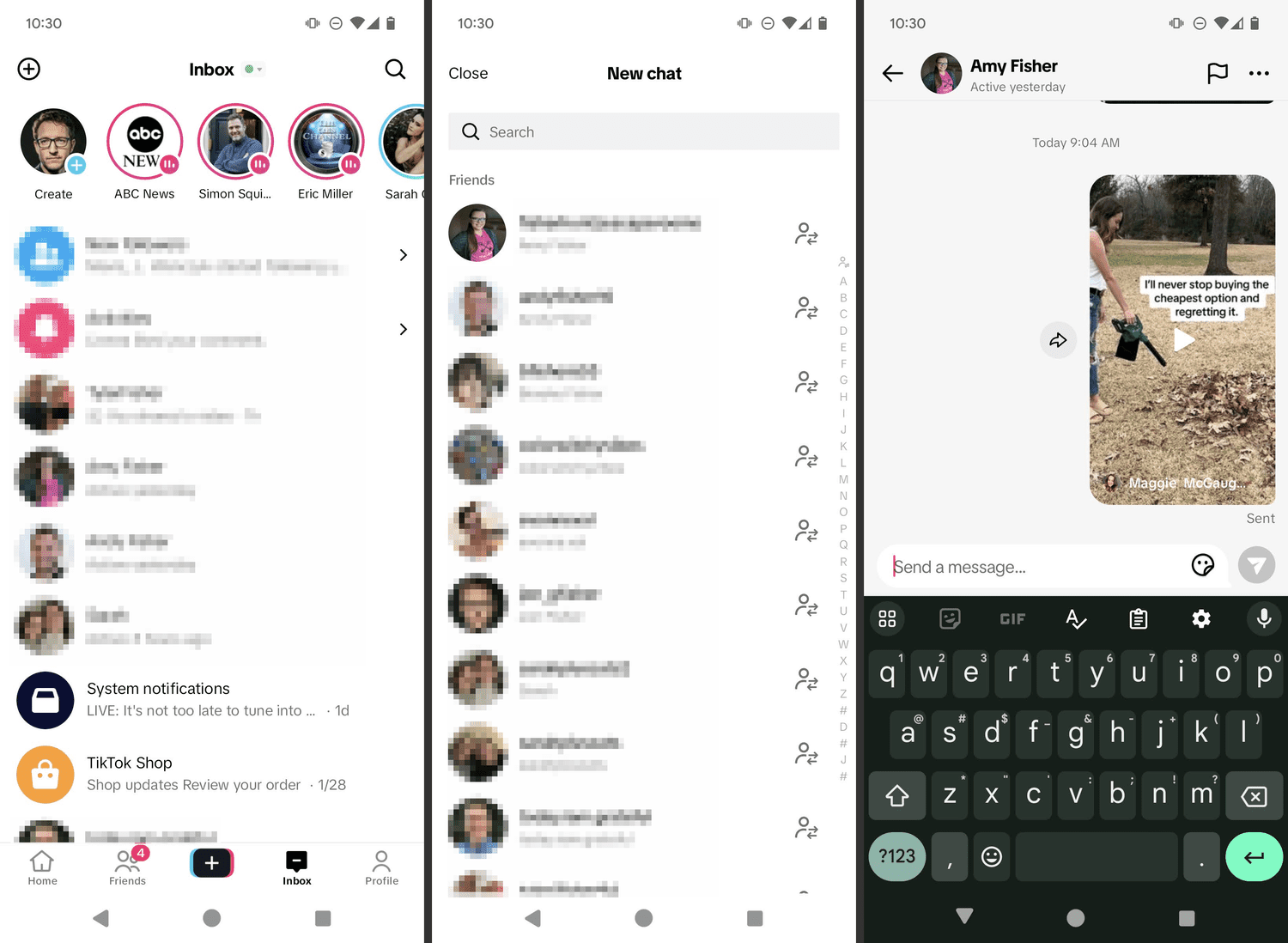
Matt Navarra, a social media analyst, stated that TikTok’s choice to “go backwards” was wise, but was accompanied by “a fairly flammable pressure on public opinion”. “The risk of seduction and harassment in private correspondence is so real that TikTok can now reasonably argue that security is a priority rather than privacy, which is quite a good statement.” However, he also said that the move “disconnected TikTok from global privacy expectations” and could exacerbate concerns about ownership by some. End-to-end encryption, which is the best way to protect dialogue from hacking, business, etc., has been adopted by most mainstream social media: Signal, Whatsapp, Facebook/Messenge, AppleMessage and Google Messages applications are all by default using end-to-end encryption; Instagram is pushing to make it a private letter default; X private correspondence similar to the other side is encrypted but partially perceived by critics as not safe; Telegram is optional but not defaulted; Snapchat uses end-to-end encryption for private correspondence pictures and videos; Discord announces on Monday that the end-to-end encryption will be enabled by default for voice and video calls.
However, end-to-end encryption was criticized by the Government, the police and the Child Charitable Protection Agency. They warned that that function enabled criminals to harm users and share illicit content, while authorities or platforms could not investigate the exchange of content. TikTok maintains that all private correspondence is still protected by standard encryption techniques similar to the Gmail service, and emphasizes that only authorized staff members are allowed access to private correspondence and are limited to specific situations, such as responding to effective law enforcement requests or user reports of harmful behaviour. NSCPCC supported TikTok ‘ s decision. Rani Govender, Deputy Director of the Agency’s Child Online Security Policy, stated: “We know how dangerous an end-to-end encryption platform may be for children, which impedes the detection of child sexual abuse and exploitation, leading to a global decline in the number of related reports.”
This was also appreciated by the Internet Watch Foundation (IWF), which monitors and removes child sexual abuse materials from the Internet. According to its Chief Technical Officer, Dan Sexton, “the deliberate choice of a step backwards for security reasons is an important precedent at a time when platforms seem desperate to implement end-to-end encryption”. According to industry observers, TikTok ‘ s decision may be aimed at maintaining cooperation with legislators by continuing to provide support to the police in cases involving the protection of young user groups.

Related Posts

Cyberpunk 2077 started a disaster, and the CDPR lost its player trust.

Pragmata’s two-day sale cost millions, one of the best games in Cap’s history.