
The petition for the legality of the Indian gold ban is postponed until next January.
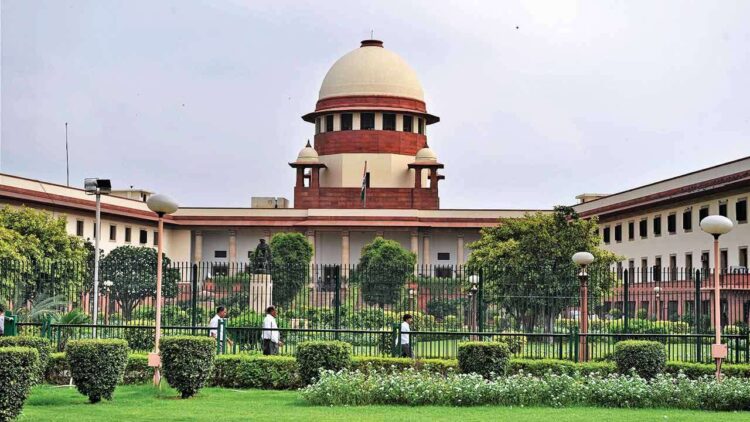
As a result of the latest developments, the Review Chamber of the three Supreme Court Judges of India will meet in January 2026 to hear constitutional validity challenges by online game operators against the Online Game Promotion and Regulation Act. On 11 December, the Full Court, chaired by the Chief Justice of India, Surya Kant, heard an application for an urgent hearing filed by Head Digital Works, an operator of the online Rami platform, A23 Rummy. The company, on behalf of counsel, stated in court that the industry had stalled after the new law had been introduced and that a number of enterprises faced severe economic damage and job losses, requiring urgent judicial intervention.

The Panel notes that the previous Full Court has been hearing appeals related to the ban on online games in the states, but that this case has recently been temporarily removed from the trial list. They emphasize that the Supreme Court is still considering another set of cases relating to genuine gold games and casino companies — about Rs. 2.5 trillion (approximately US$ 3 billion) for the recovery of taxes on goods and services. Once the relevant judgement is published, it will have a direct impact on the legal course of the current case. The Chief Justice stated: “I will include the case in the bench in January 2026, when the specific composition of the panel will also be determined”. The Act on the Promotion and Regulation of Online Games was enacted in August this year, with core provisions prohibiting all games subject to the deposit of funds and the expectation of a return. The petitioner considered that the provision exceeded the legislative authority of the central Government and requested the Supreme Court to suspend the implementation of the relevant provision until the constitutional decision was rendered.
In its November affidavit, the central Government of India stated that the Online Games Promotion and Regulation Bill was designed to curb “unregulated online playing platforms” and warned that some applications suspected of money-laundering, tax evasion and financing of terrorist activities had posed a threat to national security and public order. According to data cited by the Government of India, the problem of online genuine gold games has affected about 450 million users, causing economic losses of more than Rs. 2 trillion per year. Although the legislation has not yet entered into force, the Government of India issued an implementing draft in October. Many of the main online gold-playing platforms, including A23, have suspended all games and games involving money transactions since the bill was signed by Modi last August.